

- Home ›
- Fun with Food ›
- Natural Food Coloring
Natural Food Coloring for Kids: Colors Made from Food
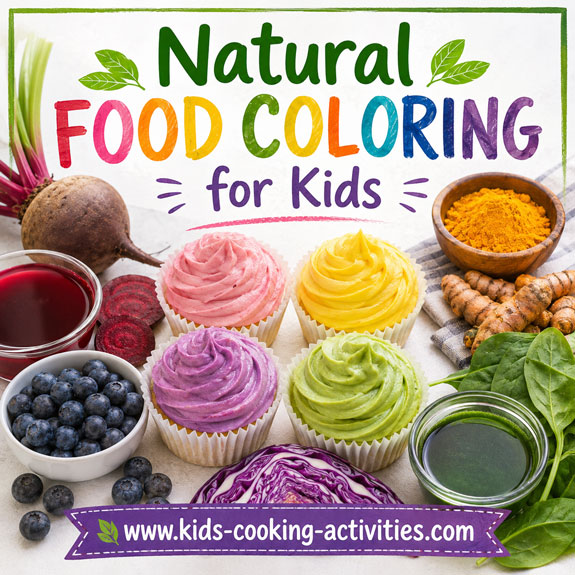
Did you know you can use fruits, vegetables and spices to add color to frosting, dough, pancakes and other foods? Making natural food coloring is a fun creative kitchen activity that helps kids experiment with ingredients and discover where colors can come from.
Beets can make pink, turmeric creates yellow, blueberries add purple and spinach can make green. Natural colors are usually softer than bottled food coloring, but experimenting with them can turn cooking into a colorful kitchen activity.
Kids Cooking Activities Teaching Materials
Teaching kids to cook? Save time with ready-made lesson plans used by parents and teachers. Browse teaching materials →


This page may contain affiliate links. We may earn a small commission at no extra cost to you. Learn more.
How Natural Food Coloring Works
Many foods contain natural pigments that give them their color. When the food is mashed, blended, juiced or steeped in water, some of that color can be transferred to another food.
Natural food colors work especially well in light-colored foods such as vanilla frosting, yogurt, pancake batter, bread dough and simple glazes.
Expect Softer Colors
Natural food coloring usually creates softer shades than concentrated commercial food coloring. Instead of bright neon colors, expect shades such as dusty pink, berry purple, golden yellow and soft green.
The exact color can also change depending on the ingredient, how much you use and the food you mix it into.
Natural Food Coloring Chart
Experiment with these edible ingredients to create different colors. Start with a small amount so you don't change the flavor or texture of your recipe too much.
| Color | Foods to Try | Color You May Get |
|---|---|---|
| Pink | Beet juice, raspberries, strawberries | Light pink to rosy pink |
| Red-Pink | Concentrated beet juice or raspberry puree | Deep pink to reddish pink |
| Purple | Blueberries, blackberry juice, purple grape juice | Lavender to purple |
| Blue | Red cabbage coloring adjusted with a tiny amount of baking soda | Blue to blue-green |
| Green | Spinach | Light to medium green |
| Yellow | Turmeric | Golden yellow |
| Orange | Carrot juice or carrot puree | Soft orange |
| Brown | Cocoa powder or coffee | Tan to brown |
A Note About Natural Blue
Blue is one of the trickier colors to make naturally. Red cabbage liquid can shift toward blue when a very small amount of baking soda is added, but the exact shade can vary. Use only a tiny amount when experimenting with foods because too much baking soda can affect the flavor.
How to Make Natural Food Coloring
There are several easy ways to get color from food. The best method depends on the ingredient you're using.
Juice It
Use naturally colorful juice such as beet, berry, carrot or grape juice. Add a small amount to frosting or another light-colored food.
Mash or Puree It
Mash berries or puree colorful fruits and vegetables. Strain the puree if you want a smoother coloring.
Steep It
Some ingredients release color when simmered or steeped in water. Red cabbage is a good example. Cool and strain the colored liquid before experimenting with it.
Use a Powder
Strongly colored powdered ingredients such as turmeric and cocoa can be stirred directly into some recipes. Start with a very small amount and add more as needed.
How to Make Different Natural Food Colors
Pink and Red
Beets and berries are some of the easiest ingredients for kids to experiment with when making pink food coloring. Try a little beet juice for a strong pink color. Raspberries and strawberries can also make pretty pink shades when mashed or pureed.
Purple
Blueberries, blackberries and purple grape juice can create shades ranging from lavender to deep purple. Mash berries and press them through a fine strainer, then add the juice or puree a little at a time.
Yellow and Orange
Turmeric creates a strong golden-yellow color, so you only need a small amount. For orange, experiment with carrot juice or a small amount of smooth carrot puree.
Green
Spinach can create a soft green color. Blend spinach with a small amount of water and strain it, or briefly cook the spinach before blending.
Keep the Flavor in Mind
The more natural coloring you add, the more likely it is to affect the flavor of the food. Start with a small amount and add more only if needed.
A Color-Changing Cabbage Experiment
Red cabbage is especially interesting because its color can change depending on what it is mixed with.
- With adult help, chop red cabbage.
- Place it in a saucepan with enough water to cover it.
- Simmer until the water becomes strongly colored.
- Cool and strain the liquid.
- Pour small amounts into separate clear cups.
- Add a little lemon juice to one cup and watch what happens.
- Add a tiny amount of baking soda to another cup and compare the colors.
Turn It into a Food Science Lesson
Red cabbage contains natural pigments that change color depending on acidity. Lemon juice and baking soda can shift the color of cabbage water, making this a simple way for kids to explore kitchen chemistry.
How to Color Frosting Naturally
Start with white or very light-colored frosting so the natural coloring is easier to see.
- Place a small amount of frosting in a bowl.
- Add a few drops or a small spoonful of your natural coloring.
- Stir thoroughly.
- Wait a moment to see the final shade.
- Add a little more coloring if needed.
Don't Add Too Much Liquid
Adding a large amount of juice can make frosting thin. Concentrated coloring works best. If you're experimenting with a new ingredient, test it in a small portion of frosting before coloring the whole batch.
Once you've made your colors, practice using them with our cake decorating techniques for kids.
Foods and Kitchen Projects Kids Can Color Naturally
Frosting isn't the only place to experiment with natural colors. Try adding your homemade colors to:
- Vanilla frosting
- Pancake batter
- Yogurt
- Smoothies
- Bread dough
- Cookie dough
- Simple glaze
- Whipped cream
- Homemade play dough
- Colored noodles for crafts
- Cooked rice for colorful food projects
- Easter eggs
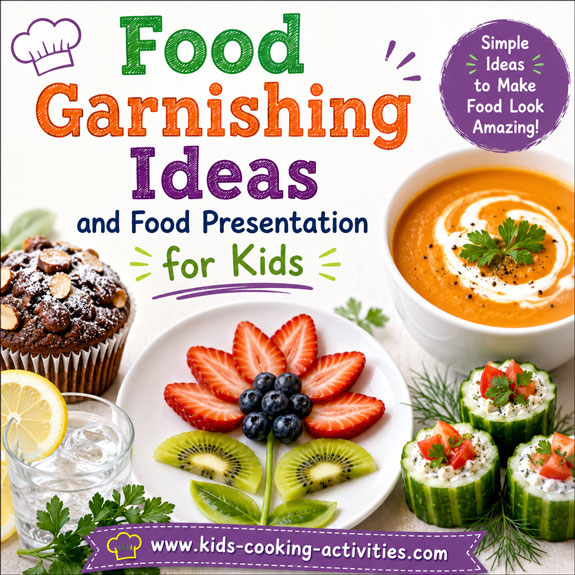
Natural colors can also be used as part of food presentation and garnishing, especially when decorating frosting, yogurt, pancakes and other light-colored foods.
Natural Easter Egg Dye
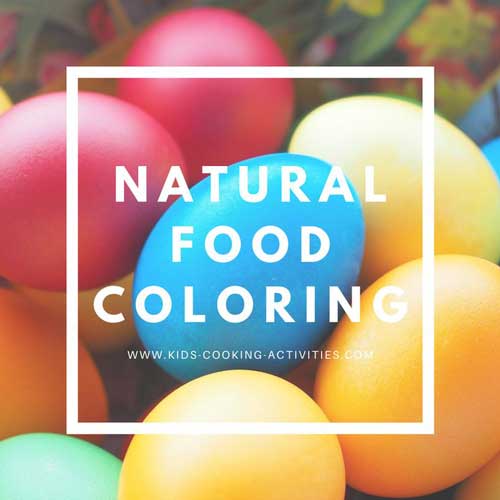
Natural ingredients can also be used to color Easter eggs. Eggshell dyeing is different from making edible food coloring because the dye is being used on the shell rather than mixed directly into frosting or another food.
Common ingredients used for naturally colored eggs include red cabbage, onion skins, beets, turmeric and berries.
| Ingredient | Possible Egg Color |
|---|---|
| Red cabbage | Blue |
| Yellow onion skins | Orange or rust |
| Beets | Pink |
| Turmeric | Yellow |
| Blueberries | Blue-purple |
Natural Egg Colors Vary
Natural egg dyes usually create softer, earthier colors than packaged egg-dye kits. Results can vary depending on the ingredient, how concentrated the dye is, how long the egg soaks and the original color of the eggshell.
See more Easter cooking ideas for kids.
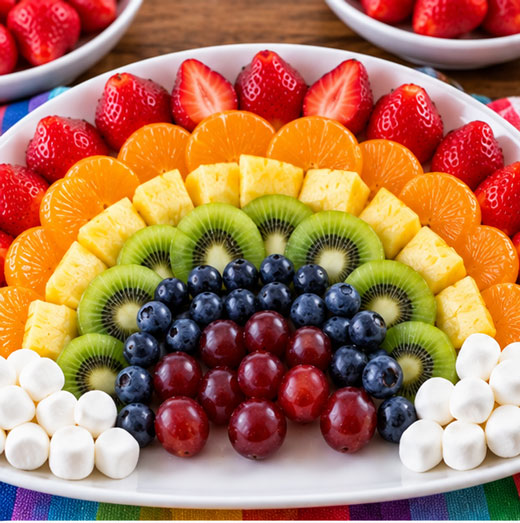
Natural Food Coloring Projects for Kids
Put your homemade colors to use with these colorful cooking activities.


More Colorful Cooking and Decorating Ideas
Continue experimenting with color, decorating and ingredients with these Kids Cooking Activities lessons and projects.



More Dessert Activities for Kids
Natural Food Coloring Questions
What foods can be used as natural food coloring?
Beets, berries, spinach, turmeric, carrots, red cabbage, grape juice, cocoa and other strongly colored foods can be used to experiment with natural food coloring.
How do you make pink food coloring naturally?
Beet juice is one of the easiest ways to make natural pink coloring. Raspberries and strawberries can also create pink shades when mashed, pureed or strained.
How do you make yellow food coloring naturally?
A small amount of turmeric can create a strong golden-yellow color. Start with a tiny amount because turmeric can also affect the flavor.
Can you make natural green food coloring?
Yes. Spinach can be blended with a small amount of water and strained to make a green liquid that can be added to some foods.
Why isn't my natural food coloring very bright?
Colors made from foods are often softer than concentrated commercial food coloring. The final shade also depends on the ingredient, concentration and food being colored.
Can natural food coloring change the taste of frosting?
It can. Natural colors come from foods, so adding a large amount may change the flavor. Use concentrated coloring and add a little at a time.
Can natural food coloring be used to dye Easter eggs?
Yes. Ingredients such as red cabbage, onion skins, beets, turmeric and berries can be used to create natural Easter egg dyes. Eggshell dyeing is different from adding coloring directly to food, so keep the two types of projects separate.
Get Free Kids Recipe Cards + Cooking Printables
Join Kids Cooking Activities for fun recipes, cooking ideas, and printable resources for kids, families, and classrooms.
Follow Kids Cooking Activities too:





© Debbie Madson, Madson Web Publishing, LLC — All rights reserved.
The material on this site is for educational purposes only.