
- Home ›
- Easy Kids Meals ›
- Sheet Pan Recipes
Sheet Pan Recipes for Easy Family Meals
Sheet pan recipes make it easy to prepare a complete family meal on one baking sheet. The main dish and vegetables roast together in the oven, which means fewer dishes, simpler cleanup, and less time spent moving between several pots and pans.
These easy one pan meals are especially helpful for busy families and beginner cooks. Kids can practice washing and chopping vegetables, measuring oil and seasonings, arranging ingredients, setting a timer, and learning how heat changes the color, texture, and flavor of food.
Unlike one pot meals, which usually simmer ingredients together with liquid, sheet pan meals use dry oven heat to create crisp edges, caramelized vegetables, and browned meat. Both methods are excellent choices when you want a complete meal with less cleanup.
Start with the featured chicken, pork, vegetable, and breakfast recipes below, then use the building guide to create your own sheet pan combinations with ingredients your family already enjoys.
Kids Cooking Activities Teaching Materials
Teaching kids to cook? Save time with ready-made lesson plans used by parents and teachers. Browse teaching materials →


This page may contain affiliate links. We may earn a small commission at no extra cost to you. Learn more.
Start Here: Learn Sheet Pan Cooking
- Brand new cook? Begin with a simple protein and two vegetables that roast at approximately the same speed.
- Want better browning? Spread ingredients into a single layer and leave space between the pieces so they roast instead of steam.
- Teaching kids? Practice measuring, seasoning, chopping, arranging food safely, and checking doneness with adult supervision.
- Planning family dinners? Pair these recipes with Meal Planning and One Pot Meals for easy weeknight variety.
Why Sheet Pan Meals Work So Well
Sheet pan meals work because the oven surrounds the food with dry, even heat. As vegetables and proteins roast, moisture evaporates from their surfaces and the edges begin to brown. This creates deeper flavor and a firmer texture than boiling or simmering.
A large rimmed baking sheet provides enough space to arrange ingredients in a single layer while keeping juices and oil from spilling into the oven. A standard half sheet pan measures about 13 by 18 inches and works well for most family meals. Larger pans can be useful when cooking for a crowd or roasting several vegetables at once.
For easier cleanup, line the pan with parchment paper or a reusable silicone baking mat. Avoid covering the pan with too many layers, however, because direct contact with the hot surface helps food brown.
Why Families Love Sheet Pan Meals
- Most of the meal cooks on one baking sheet
- Vegetables and proteins can roast together
- Ingredients are easy to substitute or rearrange
- Roasting brings out natural sweetness in vegetables
- Recipes are easy to double for larger families
- Kids can help measure, season, and arrange ingredients
- Leftovers often work well in wraps, salads, bowls, or lunches
Cooking Skills You'll Practice
- Reading a recipe before beginning
- Washing and preparing vegetables
- Using safe knife skills
- Measuring oil, herbs, and seasonings
- Cutting ingredients into evenly sized pieces
- Arranging food in a single layer
- Roasting and controlling oven temperature
- Turning or stirring ingredients during cooking
- Checking meat and vegetables for doneness
- Planning a balanced family meal
How to Build a Sheet Pan Meal
A successful sheet pan meal usually includes a protein, one or more vegetables, a small amount of oil, and a simple seasoning blend. The main challenge is choosing ingredients that cook at a similar speed or adding slower-cooking foods to the pan first.
Dense vegetables such as potatoes, carrots, sweet potatoes, and winter squash often need more cooking time than softer vegetables such as zucchini, peppers, asparagus, or tomatoes. Cutting firm vegetables into smaller pieces can help everything finish at approximately the same time.
| Choose | Sheet Pan Ideas |
|---|---|
| Protein | Chicken thighs, chicken breasts, pork chops, pork tenderloin, sausage, salmon, shrimp, tofu, or chickpeas |
| Firm Vegetables | Potatoes, sweet potatoes, carrots, Brussels sprouts, cauliflower, winter squash, or beets |
| Quick-Cooking Vegetables | Broccoli, bell peppers, zucchini, asparagus, green beans, mushrooms, onions, or tomatoes |
| Oil or Fat | Olive oil, avocado oil, melted butter, or another cooking oil suitable for roasting |
| Seasoning | Italian herbs, taco seasoning, garlic and herb seasoning, lemon pepper, paprika, rosemary, thyme, or cumin |
| Finishing Touch | Fresh herbs, lemon or lime juice, shredded cheese, Parmesan, salsa, yogurt sauce, or a light drizzle of dressing |
Use This Easy Sheet Pan Formula
Choose one protein + two vegetables + oil + seasoning.
Arrange the ingredients in a single layer and roast until the vegetables are tender and the protein reaches a safe internal temperature. Add quick-cooking ingredients later if necessary.
Tips for Better Sheet Pan Meals
Most sheet pan problems happen when ingredients are overcrowded, cut into very different sizes, or added to the pan at the wrong time. These simple habits help food roast evenly and develop better color and flavor.
| Cooking Tip | Why It Matters |
|---|---|
| Use a rimmed baking sheet | The raised edges keep oil, juices, and small pieces of food from spilling into the oven. |
| Cut food evenly | Pieces that are similar in size cook at approximately the same speed. |
| Leave space between pieces | Open space allows hot air to circulate so ingredients roast instead of steam. |
| Coat lightly with oil | A small amount of oil helps food brown and prevents vegetables from drying out. |
| Add ingredients in stages | Firm vegetables can begin roasting before delicate vegetables, seafood, or eggs are added. |
| Turn food halfway through | Stirring vegetables or flipping meat helps both sides brown more evenly. |
| Check doneness separately | Vegetables may be ready before the protein, so check each part of the meal instead of relying only on the timer. |
How to Prevent Soggy Vegetables
- Dry washed vegetables before adding oil and seasoning.
- Use a large enough pan so the vegetables are not piled on top of one another.
- Arrange ingredients in a single layer with a little space between pieces.
- Do not use more oil than the recipe requires.
- Roast at a high enough temperature to encourage browning.
- Use two pans when preparing a large amount of food.
- Add watery vegetables such as tomatoes or zucchini later in the cooking time.
Kid Chef Challenge
Before placing the pan in the oven, sort the ingredients into two groups: foods that cook slowly and foods that cook quickly. Decide which ingredients should go into the oven first and which ones should be added later.
Sheet Pan Meals vs. One Pot Meals
Both cooking methods help families prepare complete meals with fewer dishes, but they create different textures and work best with different recipes.
| Sheet Pan Meals | One Pot Meals |
|---|---|
| Cook with dry oven heat | Usually cook with liquid or steam |
| Create crisp edges and roasted flavors | Create tender ingredients and flavorful sauces |
| Work especially well for vegetables, meat, fish, and breakfast hash | Work especially well for soups, rice dishes, pasta, chili, and skillet meals |
| Ingredients can be arranged in separate areas of the pan | Ingredients usually cook and blend together |
| Best when food is spread into a single layer | Best when ingredients have enough liquid to simmer properly |
Use sheet pan cooking when you want roasted vegetables and browned edges. Choose one pot meals when you want tender grains, soups, sauces, or ingredients that simmer together.
Featured Sheet Pan Dinner Recipes
These family-friendly recipes demonstrate how proteins and vegetables can roast together while helping kids practice seasoning, arranging ingredients, checking doneness, and planning a complete meal.
Herb Chicken Sheet Pan Meal
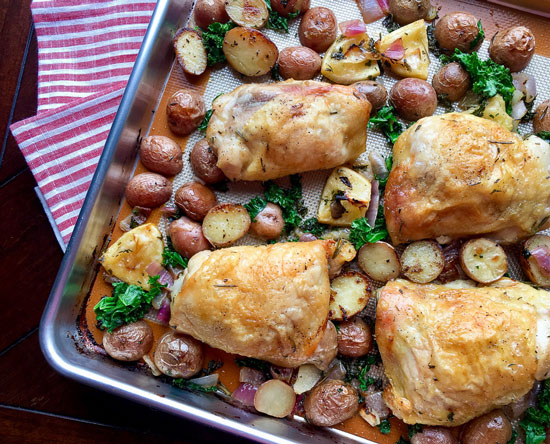
This herb chicken sheet pan meal is a complete family dinner made with roasted chicken thighs, potatoes, onions, kale, garlic, and fresh herbs. Everything cooks together on one baking sheet, making it an easy recipe for busy weeknights while teaching kids how roasting develops flavor.


Ingredients
- 1 1/2 pounds red potatoes, scrubbed and halved
- 1 large red onion, cut into chunks
- 6-8 garlic cloves, minced
- 3 tablespoons olive oil
- 2 tablespoons fresh rosemary, minced
- Sea salt and black pepper, to taste
- 6 bone-in, skin-on chicken thighs
- 10-12 sprigs fresh thyme
- 1 large lemon, cut into wedges
- 2 cups fresh kale, stems removed and sliced
Directions
- Preheat the oven to 400°F. Line a large rimmed baking sheet with parchment paper or a silicone baking mat.
- In a large bowl, toss the potatoes, onion, garlic, olive oil, rosemary, salt, and pepper until evenly coated.
- Spread the vegetables into a single layer on the prepared baking sheet.
- Coat the chicken thighs with any remaining oil and herbs, then season with additional salt and pepper if desired.
- Arrange the chicken between the vegetables and add the thyme sprigs and lemon wedges.
- Roast for 30-35 minutes.
- Scatter the kale over the baking sheet and gently stir it into the vegetables.
- Continue roasting another 10-12 minutes, or until the chicken reaches 165°F and the vegetables are tender and lightly browned.
- Allow the chicken to rest for about 5 minutes before serving.
Kid Chef Tip
Spread the vegetables into a single layer instead of piling them together. Leaving space between the pieces allows hot air to circulate so the potatoes become golden brown instead of steaming.
What You'll Practice
- Preparing vegetables for roasting
- Measuring herbs and olive oil
- Seasoning meat and vegetables
- Arranging ingredients for even cooking
- Using a food thermometer to check chicken for doneness
Easy Variations
- Replace potatoes with sweet potatoes.
- Add carrots, Brussels sprouts, or broccoli.
- Substitute boneless chicken thighs or chicken breasts.
- Try Italian seasoning instead of rosemary and thyme.
- Sprinkle Parmesan cheese over the vegetables just before serving.
Sheet Pan Pork Chops with Roasted Broccoli
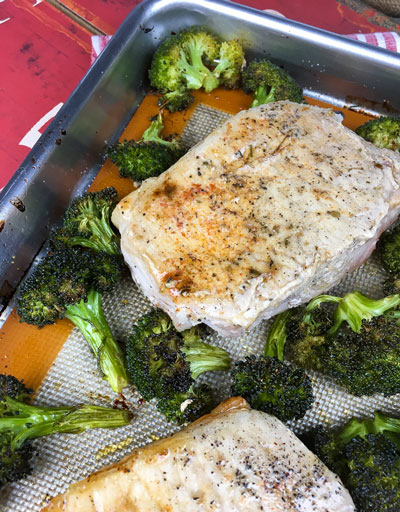
Thick-cut pork chops and fresh broccoli roast together on one baking sheet for an easy family dinner with very little cleanup. This recipe helps kids practice measuring seasonings, preparing vegetables, and learning how different foods roast together.
Ingredients
- 6 thick-cut boneless pork chops
- 1/4 cup olive oil, divided
- Sea salt and black pepper, to taste
- 1 teaspoon smoked paprika
- 1 teaspoon onion powder
- 1 teaspoon garlic powder
- 1 tablespoon Italian seasoning, divided
- 4 cups fresh broccoli florets
- 3-4 cloves garlic, minced
Directions
- Preheat the oven to 400°F and line a large rimmed baking sheet with parchment paper or a silicone baking mat.
- Place the pork chops on one side of the baking sheet and drizzle with a small amount of olive oil.
- Combine the smoked paprika, onion powder, garlic powder, and 1 teaspoon of the Italian seasoning. Rub the mixture over both sides of the pork chops and season with salt and pepper.
- In a large bowl, toss the broccoli with the remaining olive oil, minced garlic, and remaining Italian seasoning.
- Arrange the broccoli around the pork chops in a single layer.
- Roast for 23-28 minutes, turning the pork chops once and stirring the broccoli halfway through cooking.
- Cook until the pork reaches an internal temperature of 145°F and the broccoli is tender with browned edges.
- Let the pork chops rest for 5-10 minutes before serving.
Kid Chef Tip
Broccoli roasts best when the florets are dry before adding oil. Wet vegetables release extra moisture and are more likely to steam than brown.
Cooking Skills You'll Practice
- Mixing homemade seasoning blends
- Preparing broccoli for roasting
- Spacing food evenly on a baking sheet
- Turning food halfway through cooking
- Checking pork with a meat thermometer
Easy Recipe Variations
- Replace broccoli with cauliflower, Brussels sprouts, carrots, or green beans.
- Add baby potatoes to make a complete one-pan meal.
- Use boneless chicken breasts or chicken thighs instead of pork chops.
- Season with lemon pepper, Cajun seasoning, taco seasoning, or garlic herb seasoning.
- Finish with grated Parmesan cheese or a squeeze of fresh lemon juice.
Did You Know?
Roasting gives broccoli a sweeter flavor because some of its natural sugars caramelize in the oven. Even children who don't usually enjoy steamed broccoli often prefer the crispy roasted version.
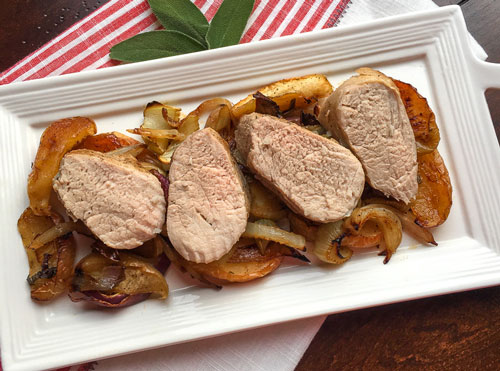
Pork Tenderloin Sheet Pan Meal
Tender pork, apples, fennel, and onions roast together for a flavorful family dinner. Roasting the vegetables on a separate pan gives everything enough space to brown instead of steam.
Ingredients
- 2 firm apples, sliced
- 1 fennel bulb, sliced
- 1 large red onion, sliced
- 1 tablespoon fresh sage, chopped
- 3 tablespoons olive oil, divided
- 1 tablespoon balsamic vinegar
- 2 pounds pork tenderloin
- Sea salt and black pepper, to taste
Directions
- Preheat the oven to 400°F and line two rimmed baking sheets with parchment paper.
- Toss the apples, fennel, onion, sage, 2 tablespoons olive oil, balsamic vinegar, salt, and pepper together.
- Spread the vegetables onto one baking sheet and roast for 10-15 minutes.
- Brush the pork tenderloin with the remaining olive oil and season generously with salt and pepper.
- Place the pork on the second baking sheet and roast until the pork reaches 145°F.
- Allow the pork to rest for 10 minutes before slicing and serving with the roasted vegetables.
Kid Chef Tip
Using two baking sheets gives the vegetables room to roast and caramelize while the pork cooks evenly. Crowded pans create steam instead of crispy edges.
Try These Variations
- Replace apples with pears.
- Add carrots or sweet potatoes.
- Use rosemary or thyme instead of sage.
- Serve with roasted potatoes, rice, or crusty bread.
Breakfast One Sheet Pan Meal
Sheet pan breakfasts make mornings easier by roasting potatoes and vegetables before adding eggs near the end of the cooking time. Everything finishes together on one pan, creating a hearty breakfast or brunch with very little cleanup.
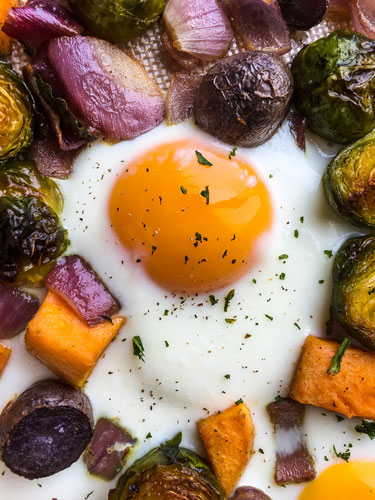
Breakfast Hash
Roasted sweet potatoes, baby potatoes, Brussels sprouts, onions, and baked eggs come together in one colorful breakfast hash. This recipe helps kids practice vegetable preparation, oven safety, and timing different ingredients.
Ingredients
- 2 large sweet potatoes, peeled and cubed
- 1 pound small potatoes, halved
- 8 ounces Brussels sprouts, halved
- 1 large red onion, chopped
- 3-4 cloves garlic, minced
- 1 teaspoon onion powder
- 3 tablespoons olive oil
- Salt and pepper to taste
- 6 large eggs
Directions
- Preheat the oven to 425°F. Line a large rimmed baking sheet with parchment paper or lightly grease the pan.
- Toss the sweet potatoes, potatoes, Brussels sprouts, onion, garlic, onion powder, olive oil, salt, and pepper together until evenly coated.
- Spread everything into a single layer on the baking sheet.
- Roast for 8-10 minutes.
- Stir the vegetables and continue roasting another 8–10 minutes until the potatoes begin to soften.
- Create six small wells among the vegetables.
- Carefully crack one egg into each opening.
- Return the pan to the oven and bake another 6–8 minutes until the egg whites are set and the yolks reach your preferred doneness.
- Serve immediately with toast or fresh fruit.
Kid Chef Tip
Older children can help stir the vegetables before roasting. An adult should always place the hot pan into and remove it from the oven.
What You'll Learn
- Preparing several vegetables at once
- Safe oven practices
- How different vegetables roast
- Timing ingredients that cook at different speeds
- Planning a balanced breakfast
Easy Breakfast Variations
- Add cooked sausage or diced ham.
- Replace Brussels sprouts with broccoli or bell peppers.
- Sprinkle shredded cheddar cheese over the vegetables before adding the eggs.
- Season with taco seasoning, Italian seasoning, or smoked paprika.
- Serve with salsa, avocado, or fresh fruit.
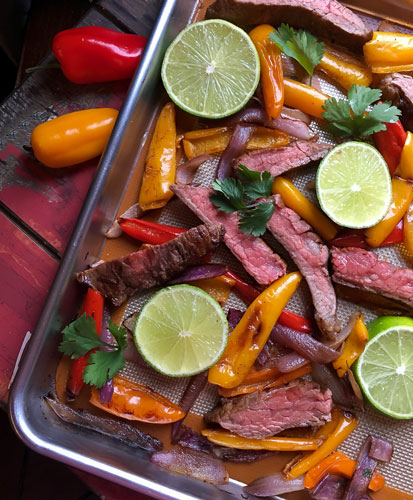
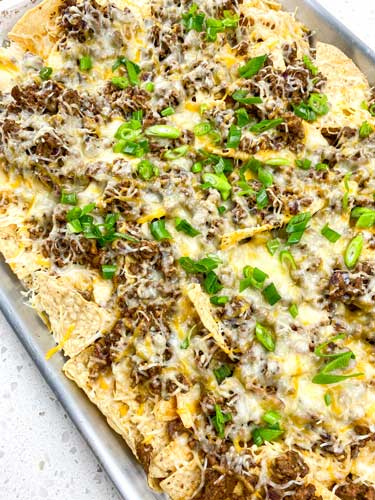
More One Sheet Pan Meal Ideas
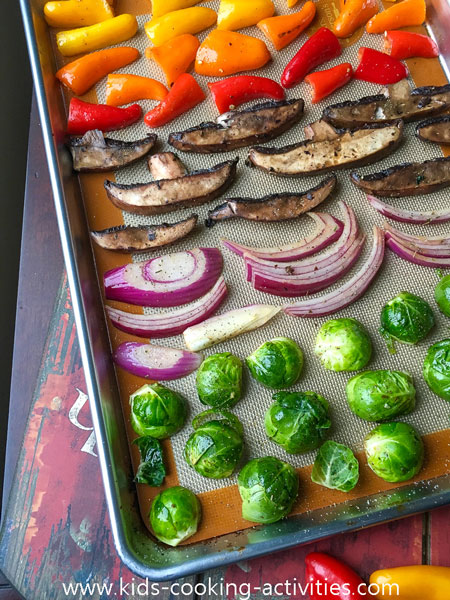
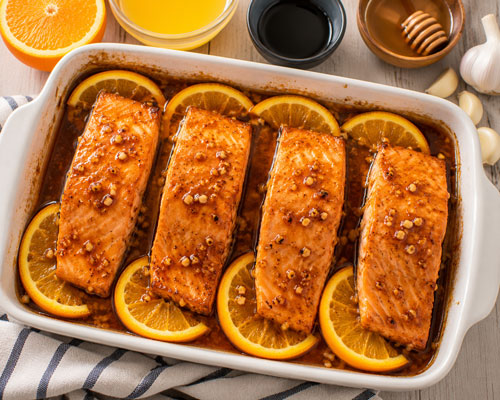
Practice the same easy roasting method with more family-friendly sheet pan recipes. These meals use simple ingredients, colorful vegetables, and straightforward cooking steps that work well for beginner cooks and busy families.
Create Your Own Sheet Pan Dinner
Choose one protein, two vegetables, a small amount of oil, and a favorite seasoning blend. Arrange everything in a single layer and add quick-cooking ingredients later when needed.
Related Family Cooking Resources




Frequently Asked Questions About Sheet Pan Recipes
Sheet pan cooking is one of the easiest ways to prepare complete family meals. Here are answers to some of the most common questions about baking sheet dinners.
What are sheet pan recipes?
Sheet pan recipes are meals cooked on a rimmed baking sheet in the oven. Meat, vegetables, and seasonings roast together, creating a complete meal with fewer dishes to wash afterward.
Why do vegetables sometimes become soggy?
Vegetables release moisture while cooking. If the pan is overcrowded or the vegetables are piled together, that moisture becomes trapped and the vegetables steam instead of roast. Spread everything into a single layer and use two pans if necessary.
Do all ingredients cook at the same speed?
No. Potatoes, carrots, and other dense vegetables usually need more time than broccoli, zucchini, asparagus, or tomatoes. You can cut firm vegetables into smaller pieces or add quick-cooking ingredients later.
Should I line my baking sheet?
Parchment paper and reusable silicone baking mats make cleanup much easier and help prevent sticking. Either option works well for most sheet pan recipes.
Can frozen vegetables be used?
Yes. Frozen vegetables are convenient, although they often release more moisture than fresh vegetables. Roast them in a single layer and expect slightly less browning.
What temperature is best for sheet pan meals?
Many sheet pan recipes roast well between 400°F and 425°F. These temperatures help vegetables caramelize while allowing meat to cook through safely.
Can kids help make sheet pan dinners?
Absolutely. Children can wash vegetables, measure ingredients, mix seasonings, toss vegetables with oil, arrange food on the pan, and help set timers. Adults should always handle the hot oven and check meat for safe temperatures.
What are the best foods for beginner sheet pan meals?
Chicken thighs, pork chops, potatoes, broccoli, carrots, Brussels sprouts, onions, peppers, and sweet potatoes are all excellent choices because they roast well and are easy to season.
Continue Learning
Get Free Kids Recipe Cards + Cooking Printables
Join Kids Cooking Activities for fun recipes, cooking ideas, and printable resources for kids, families, and classrooms.
Follow Kids Cooking Activities too:





© Debbie Madson, Madson Web Publishing, LLC — All rights reserved.
The material on this site is for educational purposes only.